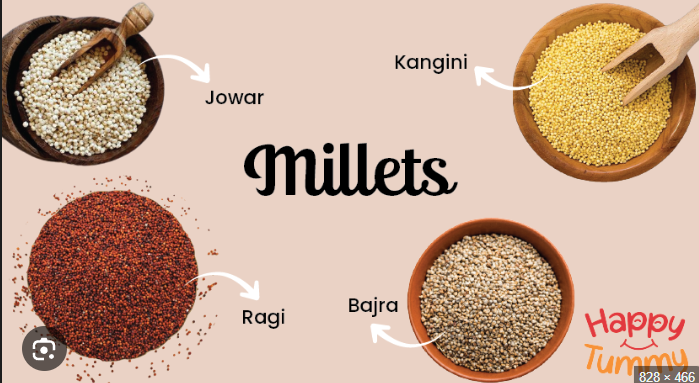
Millets are a group of small-seeded cereal grains that have been cultivated for thousands of years, especially in Asia and Africa. They are often called ancient grains because they were a major part of traditional diets before the widespread use of rice and wheat. Today, millets are gaining popularity again due to their high nutritional value and environmental benefits.
Types of Millets
There are several types of millets commonly grown and consumed:
-
Jowar (Sorghum)
-
Bajra (Pearl millet)
-
Ragi (Finger millet)
-
Foxtail millet
-
Little millet
-
Barnyard millet
Each type has unique nutritional properties and is used in different regional dishes.
Nutritional Benefits
Millets are highly nutritious and rich in:
-
Dietary fiber, which helps digestion
-
Proteins, important for growth and repair
-
Vitamins and minerals such as iron, calcium, magnesium, and phosphorus
Ragi, for example, is an excellent source of calcium, while bajra is rich in iron. Millets are also gluten-free, making them suitable for people with gluten intolerance.
Health Benefits
Regular consumption of millets can:
-
Help control blood sugar levels
-
Improve heart health
-
Support weight management
-
Strengthen bones and immunity
Because they digest slowly, millets keep us full for longer and provide sustained energy.
Environmental Importance
Millets are climate-resilient crops. They:
-
Require less water
-
Grow well in poor soil
-
Need fewer chemical fertilizers
This makes millets an eco-friendly choice and an important crop for sustainable agriculture, especially in regions facing water scarcity.
Uses of Millets
Millets can be used to prepare a variety of dishes such as rotis, porridge, dosa, idli, khichdi, and even snacks and desserts. They are versatile and can easily replace rice or wheat in many meals.
Conclusion
Millets are nutritious, healthy, and environmentally sustainable grains. Including millets in our daily diet not only improves our health but also supports farmers and protects the environment. Reviving millets is a step towards a healthier and more sustainable future.