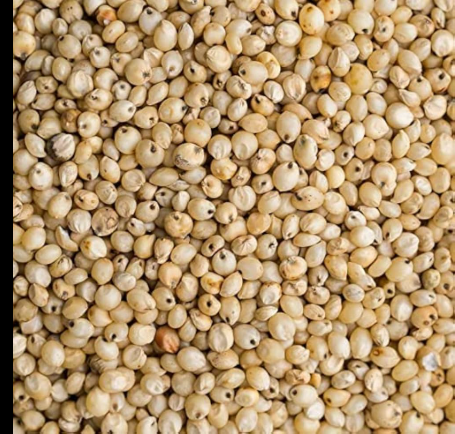
Jowar, also known as Sorghum, is one of the most important cereal crops grown in India and many other parts of the world. It is a nutritious, drought-resistant grain that has been cultivated for thousands of years. Jowar is especially important in regions with low rainfall because it can grow well in dry and hot climates.
Cultivation of Jowar
Jowar is mainly grown in semi-arid and arid regions. In India, major jowar-producing states include Maharashtra, Karnataka, Madhya Pradesh, Telangana, and Andhra Pradesh. It is a kharif crop in most areas and requires moderate rainfall and warm temperatures for proper growth. The crop grows well in a variety of soils, especially black and red soils.
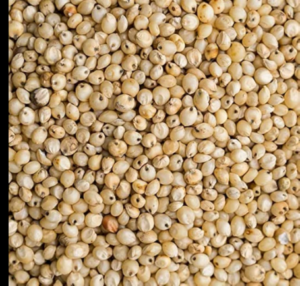
Nutritional Value
Jowar is highly nutritious and is considered a healthy alternative to rice and wheat. It is rich in:
-
Carbohydrates (energy)
-
Dietary fiber (good for digestion)
-
Proteins
-
Iron, calcium, and magnesium
Jowar is gluten-free, making it suitable for people who are gluten-intolerant.
Uses of Jowar
Jowar has many uses:
-
It is used to make roti, bhakri, porridge, and dosa
-
Jowar flour is used in various traditional dishes
-
The stalks are used as fodder for cattle
-
It is also used in the production of bio-fuel and animal feed
Importance of Jowar
Jowar plays an important role in food security, especially in dry regions. It is economical to grow, requires less water, and provides good nutrition. Because of its health benefits, jowar is becoming popular in urban areas as a healthy grain.
Conclusion
Jowar is a valuable cereal crop that supports farmers, improves nutrition, and adapts well to challenging climates. Its ability to grow with minimal water and its high nutritional value make it an important crop for the present and the future.